
“We’ll think about security later. First, let’s just launch.”
– Every startup, ever.
Last week, I sat in on a seminar for startups and scale-ups. One founder was building a web application. Smart team, strong product vision.
And when the question of security came up?
The answer was the same one I’ve heard for over a decade:
“Right now it’s too early to think about security. We’ll come back to it once the platform is live.”
This mindset is everywhere. And it’s one of the most expensive mistakes young companies can make.
Why Startups Push Security Off the Table
When you’re racing to build an MVP, every second counts. Security looks like a cost — a distraction. Founders think:
- We don’t have customer data yet.
- We need to move fast.
- Hackers won’t target us, we’re too small.
- Security is a “later” problem.
The problem? Later is always too late.
The True Cost of “Later”
Rebuilding insecure software isn’t just a technical problem. It’s a trust problem.
Imagine being a young company with:
- A handful of early adopters
- No brand reputation yet
- No deep pockets for PR, lawyers, or clean-up
- And then you suffer a breach.
You don’t just lose data. You lose credibility.
And credibility is the one thing a startup can’t buy back.
The Business Case for Security-First
Security isn’t just about defense. It’s leverage. Here’s why building security into your product from day one makes sense:
1. You invest less long-term – Rebuilding insecure foundations later costs 2x–5x more than doing it right upfront. Security-first is cheaper.
2. You’re more secure – Obvious, but important: building on strong principles reduces your attack surface from the start.
3. You win trust – When you’re small, you need every possible advantage. Being the “secure” option is one of the strongest differentiators you can have.
4. You can sell it – Security is not just invisible plumbing. It’s a feature. “Your data is safe with us” is powerful marketing.
5. And yes, you profit – Less risk, less rebuild, more customers choosing you over a less secure competitor.
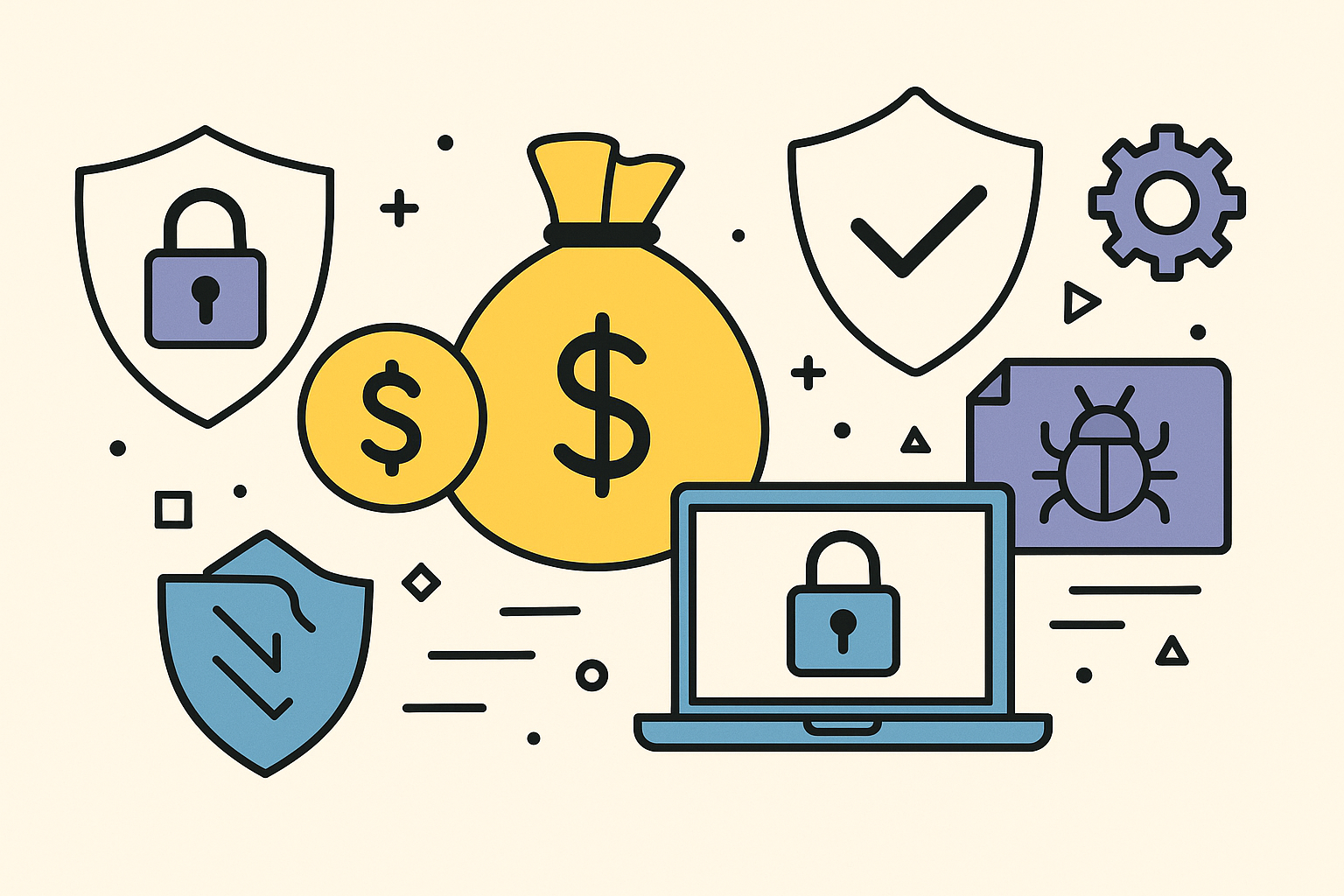
Security as a Marketing Tool
Think about GDPR. Think about data privacy. Customers are more aware than ever.
Products that show they take security seriously have an edge.
“Security can be the reason a customer chooses you, not your competitor.”
Too many startups see security as a cost center. In reality, it’s a growth engine.
Security as a Startup Growth Engine
Real-World Examples
- The Startup That Skipped Auth: A SaaS tool went to market without proper role-based access controls. Within weeks, customers were viewing each other’s private data. Rebuild cost: six figures. Brand damage: priceless.
- The HealthTech Rebuild: A health startup launched without encryption at rest. A potential partner pulled out during due diligence. Rebuild time: 9 months. Opportunity lost: millions.
- The Early Win: Another startup built MFA into their MVP. It impressed investors, reassured early adopters, and landed them a key enterprise pilot. Security was the differentiator.
What Founders Can Do Today
You don’t need a huge budget to get security right from the start. Here’s a simple checklist for early-stage teams:
- Use managed cloud services – Don’t reinvent the wheel.
- Enable MFA everywhere – For your team and your users.
- Bake in logging and monitoring – If you can’t see what’s happening, you can’t fix it.
- Encrypt sensitive data – At rest and in transit. Always.
- Do a basic threat model – Ask: who might attack us, and how?
- Get a security advisor early – Even part-time, even just a few sessions.
Final Thoughts
Startups think security slows them down. In reality, ignoring it slows you down far more.
Because when “later” comes, it’s too late.
You’ll be rebuilding code, rebuilding trust, and rebuilding your reputation — all at once.
So my plea to every founder:
Think security early. Use it to your advantage. Turn it into a feature. Make it a story you tell.
Because in today’s world, security isn’t just about not getting hacked.
It’s about winning.
- Invest less – Security-first is cheaper
- More secure – Reduce your attack surface
- Win trust – Differentiate your product
- Sell it – Security is a marketing tool
- Profit – Offset risk with more customers